Yellow Split Peas
Bulk Yellow Split Peas 50lb at Wholesale Prices | Delivery Across GTA
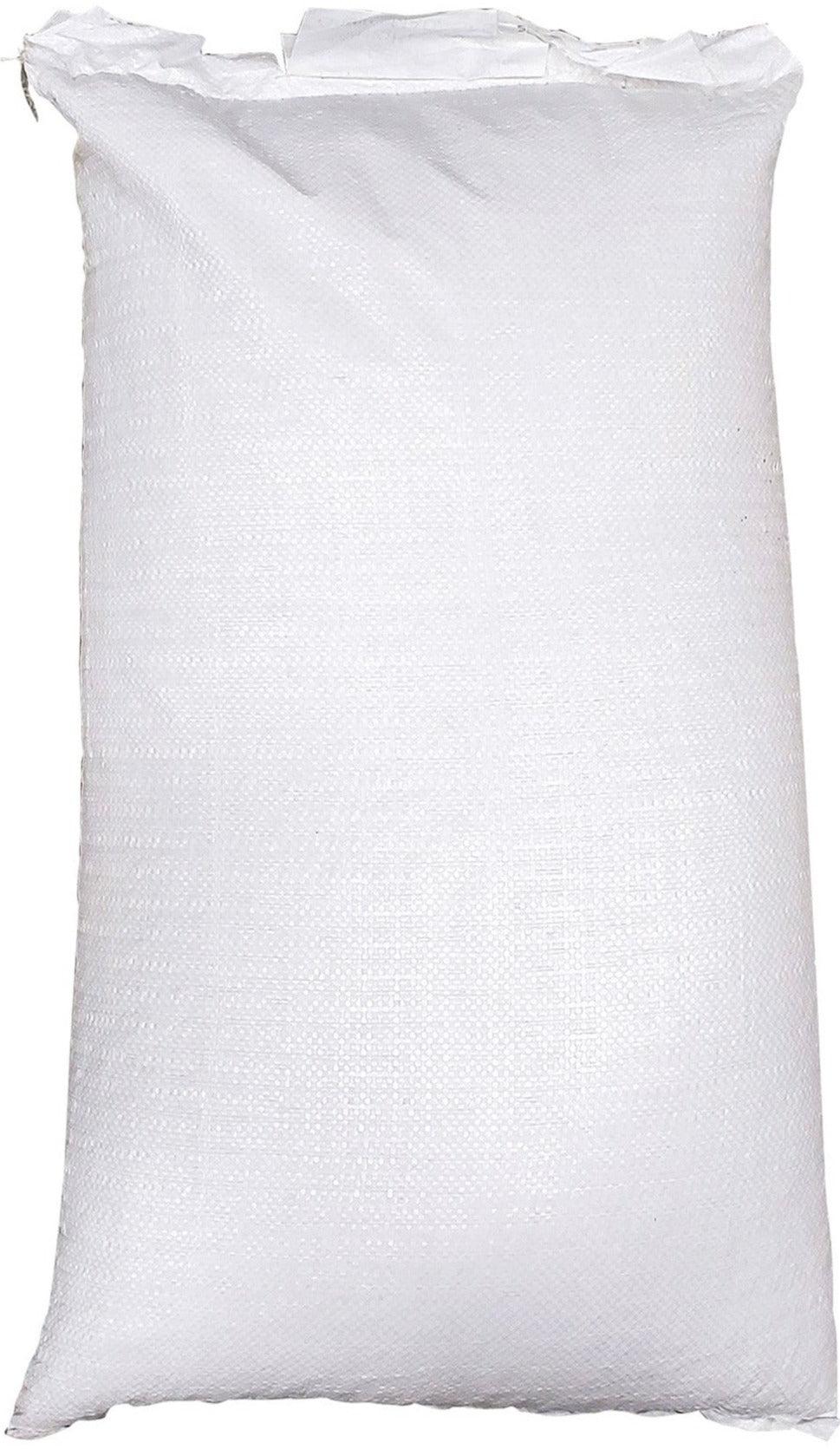
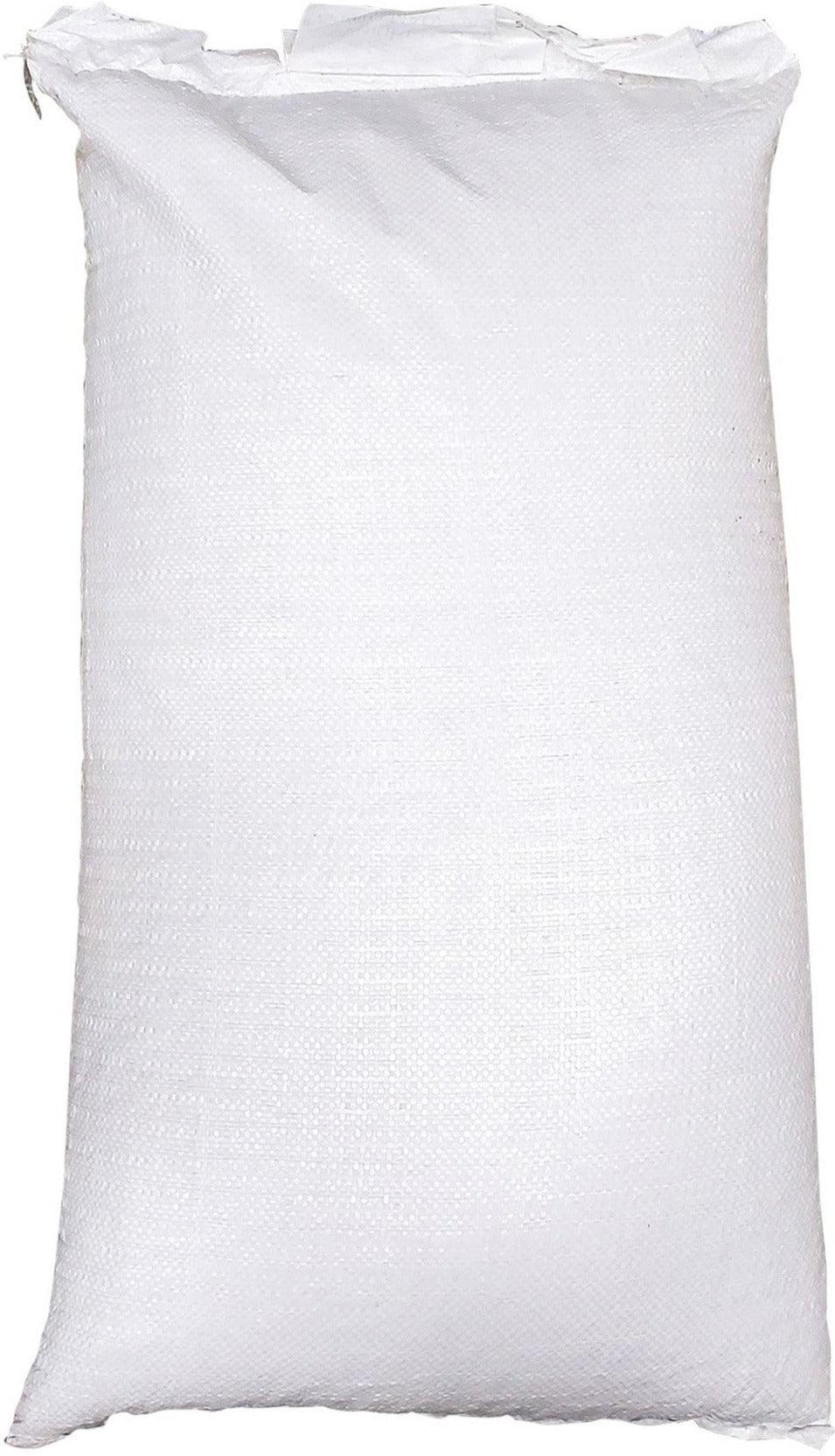
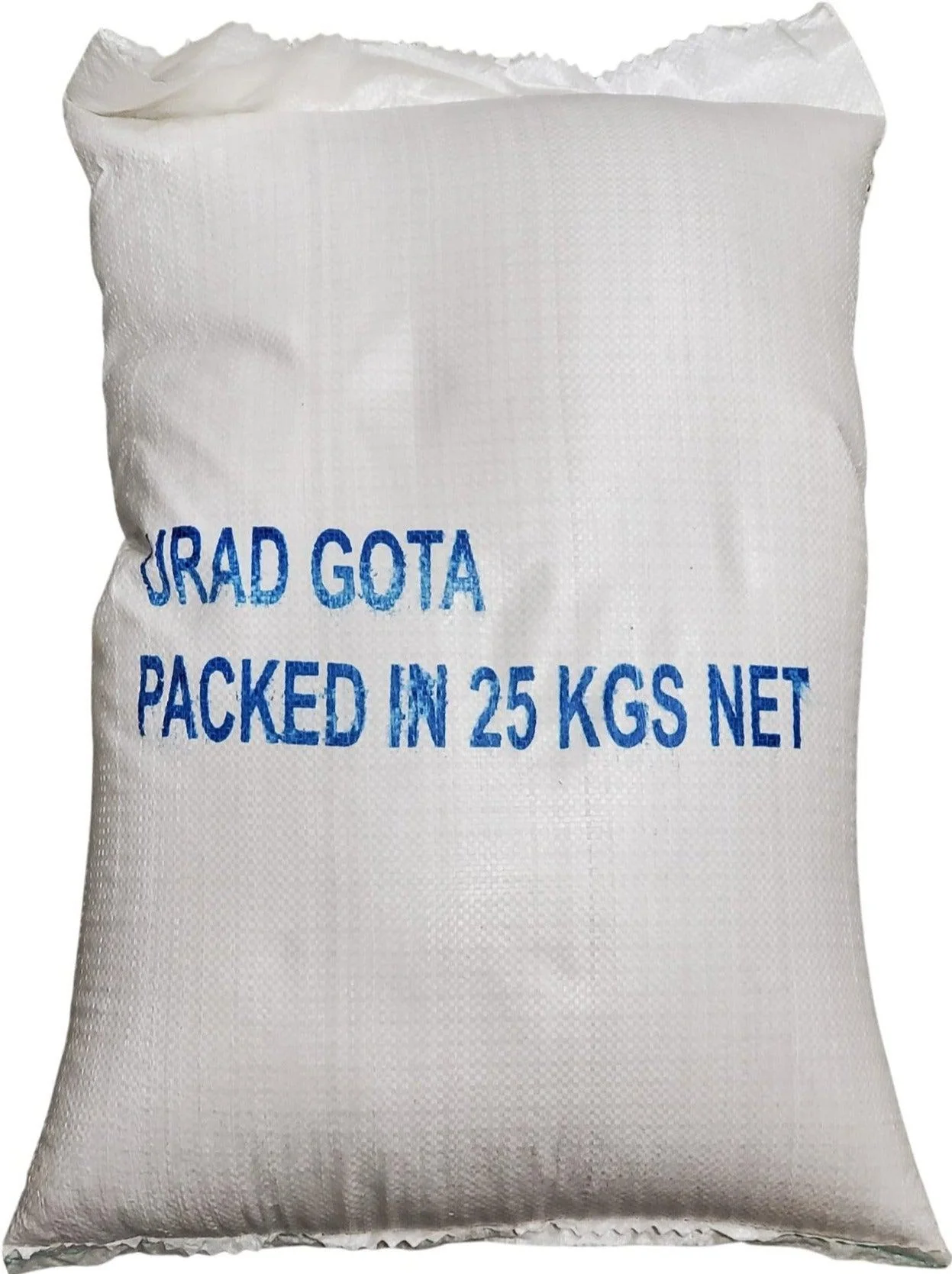
Yellow split peas are dried legumes available in bulk quantities of 50 lb and 55 lb bags for commercial foodservice and retail operations. These split peas are whole yellow peas that have been hulled and split in half, creating a product that cooks faster than whole peas. Delivery is available across the Greater Toronto Area.
Common Commercial Applications
Restaurants, catering companies, institutional kitchens, and food service establishments use bulk yellow split peas for preparing soups, stews, curries, and side dishes.
Typical users include:
- Full-service restaurants and casual dining establishments
- Institutional kitchens in schools, hospitals, and corporate facilities
- Catering companies handling large-scale events
- Food trucks and mobile food vendors
- Cafes and bistros with soup programmes
- Hotels and hospitality venues with diverse menus
- Soup kitchens and community feeding programmes
- Meal prep and food production facilities
- Retail operations with bulk food sections
- Ethnic restaurants featuring Middle Eastern, Indian, or Caribbean cuisine
Product Specifications and Characteristics
Package sizes:
- 50 lb bags
- 55 lb bags
- Dry goods requiring cool, dry storage
Physical characteristics:
- Hulled and split yellow field peas
- Pale to bright yellow colour
- Approximately 6-8 mm in diameter
- Flat, disc-shaped pieces
- Dry, uncooked product
Storage requirements:
- Store in cool, dry location
- Protect from moisture and humidity
- Shelf-stable for extended periods when properly stored
- Transfer to airtight containers after opening to maintain freshness
Culinary Uses and Preparation
Yellow split peas serve as a protein-rich base for various dishes:
Primary applications:
- Split pea soup (traditional and modern variations)
- Dal and Indian lentil dishes
- Caribbean-style pea soup
- Pureed side dishes
- Vegetarian protein sources
- Soup mixes and blended preparations
- Casseroles and baked dishes
Cooking characteristics:
- No soaking required (unlike whole dried peas)
- Cooking time: typically 45-60 minutes
- Break down naturally during cooking to create thick, creamy texture
- Absorb flavours from aromatics and seasonings
- Approximately triple in volume when cooked
Preparation methods:
- Rinse before cooking to remove any debris
- Simmer in liquid (water, broth, or stock)
- Combine with aromatics like onions, garlic, and carrots
- Season with herbs, spices, and salt
- Can be pureed for smooth consistency or left chunky
Nutritional Profile Context
Yellow split peas are recognized as a source of plant-based protein, dietary fibre, and various minerals. Specific nutritional values vary based on preparation methods and serving sizes. They contain complex carbohydrates and are naturally low in fat.
Yellow Split Peas vs. Green Split Peas
Understanding the differences assists in product selection:
Yellow split peas:
- Milder, slightly sweeter flavour
- Pale to bright yellow colour
- Often preferred in dishes where lighter colour is desired
- Common in traditional split pea soup recipes
Green split peas:
- More earthy, robust flavour
- Green colour that may darken during cooking
- Used interchangeably in many recipes
- Popular in European and North American cuisines
Both varieties have similar cooking times and nutritional profiles.
Bulk Purchasing Considerations
Storage planning:
- 50 lb bag stores more compactly
- 55 lb bag may offer different pricing structures
- Calculate storage space before ordering
- Consider shelf life and turnover rates
Usage calculations:
- 1 lb dried split peas yields approximately 2-2.5 lbs cooked
- Average serving size: 1/2 to 3/4 cup cooked
- Calculate based on menu offerings and customer volume
Quality indicators:
- Uniform colour without excessive dark or discoloured peas
- No signs of moisture or mould
- Minimal broken pieces or debris
- Fresh, clean aroma (not musty)
Operational Advantages
Commercial kitchens benefit from several practical aspects:
- Long shelf life reduces ordering frequency
- No refrigeration required before cooking
- Economical protein source for cost-conscious menus
- Versatile ingredient for multiple menu items
- Naturally gluten-free (verify processing for cross-contamination concerns)
- Suitable for vegetarian and vegan menu options
Frequently Asked Questions
1. Do yellow split peas need to be soaked before cooking?
No, yellow split peas do not require soaking. They can be cooked directly after rinsing. The splitting process allows them to cook relatively quickly compared to whole dried peas or beans that typically require overnight soaking.
2. How long do dried yellow split peas last in storage?
When stored in a cool, dry location in airtight containers, dried yellow split peas can maintain quality for 2-3 years. Check for signs of moisture, insect activity, or off-odours before use. Proper storage practices extend shelf life significantly.
3. What's the difference between the 50 lb and 55 lb bags?
The weight difference relates to packaging standards and supplier specifications. Both sizes contain the same product. Choose based on storage capacity, usage volume, and pricing considerations.
4. Can yellow split peas be cooked in large batches for meal prep?
Yes, yellow split peas are suitable for batch cooking. Cooked split peas can be refrigerated for 4-5 days or frozen for up to 3 months. Cool cooked peas rapidly and store in appropriate food-safe containers.
5. Do split peas cause the same gas issues as whole beans?
Split peas contain oligosaccharides, which can cause digestive gas in some individuals. However, because they are split and cook quickly, they may be slightly easier to digest than whole dried beans. Thorough cooking helps reduce this effect.
6. Are yellow split peas gluten-free?
Yellow split peas are naturally gluten-free. However, cross-contamination can occur during processing or packaging. Verify with suppliers if serving customers with celiac disease or gluten sensitivities, and check for any processing statements on packaging.
7. How much water should I use when cooking yellow split peas?
A general ratio is 3-4 cups of liquid per 1 cup of dried split peas. The amount can be adjusted based on desired final consistency. Split pea soup typically uses more liquid, while dal preparations may use less. Liquid evaporates during cooking, so monitor and adjust as needed.
8. Can I use yellow split peas interchangeably with green split peas?
Yes, yellow and green split peas can be used interchangeably in most recipes. The main differences are colour and subtle flavour variations. Cooking times and methods remain similar. Consider the final dish appearance when selecting between the two.
9. What causes split peas to remain hard after cooking?
Hard split peas after adequate cooking time may indicate old product, exposure to excessive heat during storage, or cooking in very hard water with high mineral content. Adding acidic ingredients (tomatoes, lemon) too early in cooking can also prevent softening. Add salt and acidic ingredients only after peas are tender.
10. How do I prevent split peas from sticking to the pot?
Stir occasionally during cooking, especially as peas begin to break down. Use adequate liquid and avoid high heat. A heavy-bottomed pot helps distribute heat evenly. Some operations lightly oil the pot before adding ingredients.
Businesses purchasing bulk yellow split peas for foodservice operations should assess typical usage volume, available storage space, and menu applications when selecting between 50 lb and 55 lb bag sizes. Proper dry storage conditions and inventory rotation practices help maintain product quality. The extended shelf life and versatility of yellow split peas support diverse menu planning and cost-effective protein sourcing across Greater Toronto Area food service operations.
Original: $19.09
-70%$19.09
$5.73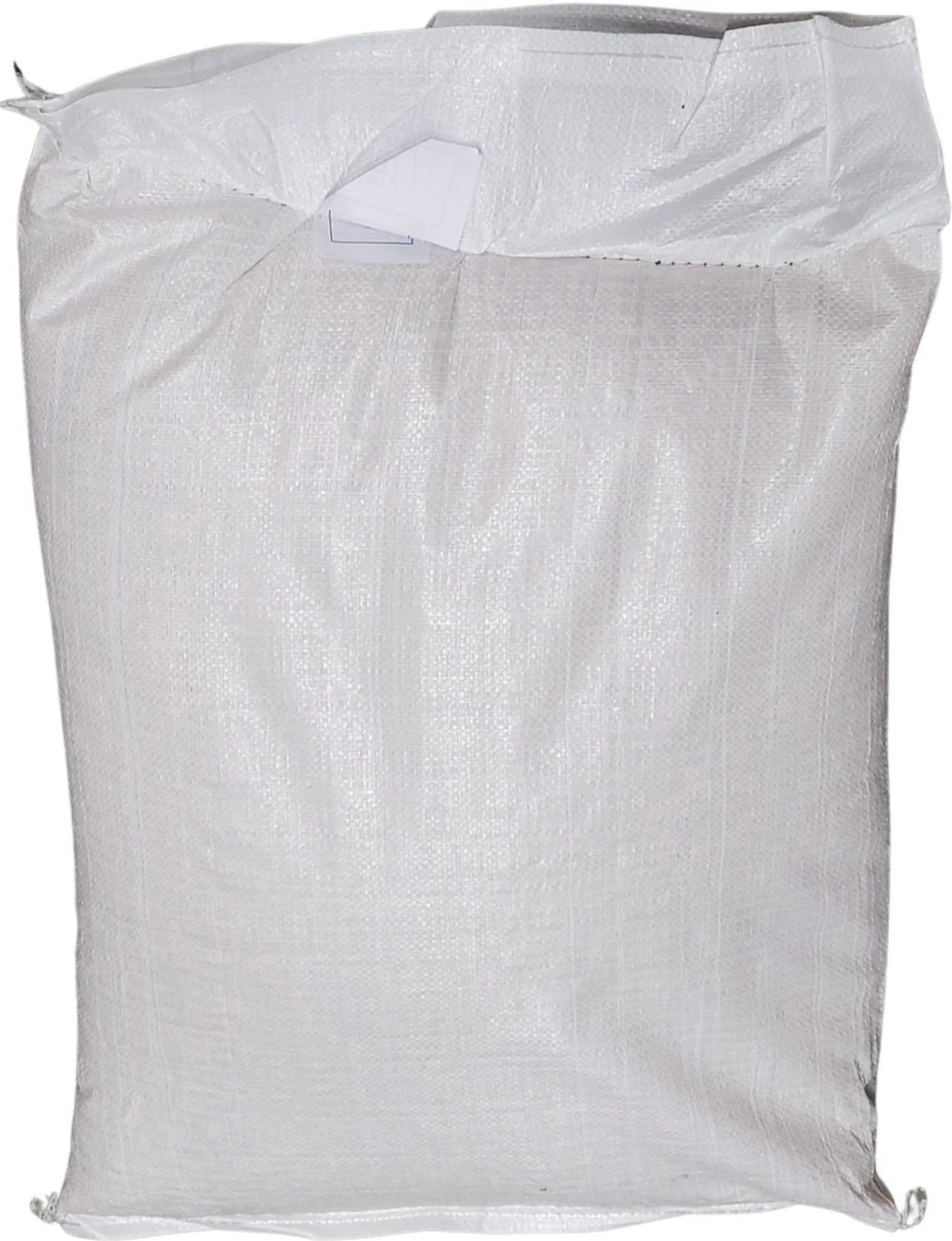
Description
Bulk Yellow Split Peas 50lb at Wholesale Prices | Delivery Across GTA
Yellow split peas are dried legumes available in bulk quantities of 50 lb and 55 lb bags for commercial foodservice and retail operations. These split peas are whole yellow peas that have been hulled and split in half, creating a product that cooks faster than whole peas. Delivery is available across the Greater Toronto Area.
Common Commercial Applications
Restaurants, catering companies, institutional kitchens, and food service establishments use bulk yellow split peas for preparing soups, stews, curries, and side dishes.
Typical users include:
- Full-service restaurants and casual dining establishments
- Institutional kitchens in schools, hospitals, and corporate facilities
- Catering companies handling large-scale events
- Food trucks and mobile food vendors
- Cafes and bistros with soup programmes
- Hotels and hospitality venues with diverse menus
- Soup kitchens and community feeding programmes
- Meal prep and food production facilities
- Retail operations with bulk food sections
- Ethnic restaurants featuring Middle Eastern, Indian, or Caribbean cuisine
Product Specifications and Characteristics
Package sizes:
- 50 lb bags
- 55 lb bags
- Dry goods requiring cool, dry storage
Physical characteristics:
- Hulled and split yellow field peas
- Pale to bright yellow colour
- Approximately 6-8 mm in diameter
- Flat, disc-shaped pieces
- Dry, uncooked product
Storage requirements:
- Store in cool, dry location
- Protect from moisture and humidity
- Shelf-stable for extended periods when properly stored
- Transfer to airtight containers after opening to maintain freshness
Culinary Uses and Preparation
Yellow split peas serve as a protein-rich base for various dishes:
Primary applications:
- Split pea soup (traditional and modern variations)
- Dal and Indian lentil dishes
- Caribbean-style pea soup
- Pureed side dishes
- Vegetarian protein sources
- Soup mixes and blended preparations
- Casseroles and baked dishes
Cooking characteristics:
- No soaking required (unlike whole dried peas)
- Cooking time: typically 45-60 minutes
- Break down naturally during cooking to create thick, creamy texture
- Absorb flavours from aromatics and seasonings
- Approximately triple in volume when cooked
Preparation methods:
- Rinse before cooking to remove any debris
- Simmer in liquid (water, broth, or stock)
- Combine with aromatics like onions, garlic, and carrots
- Season with herbs, spices, and salt
- Can be pureed for smooth consistency or left chunky
Nutritional Profile Context
Yellow split peas are recognized as a source of plant-based protein, dietary fibre, and various minerals. Specific nutritional values vary based on preparation methods and serving sizes. They contain complex carbohydrates and are naturally low in fat.
Yellow Split Peas vs. Green Split Peas
Understanding the differences assists in product selection:
Yellow split peas:
- Milder, slightly sweeter flavour
- Pale to bright yellow colour
- Often preferred in dishes where lighter colour is desired
- Common in traditional split pea soup recipes
Green split peas:
- More earthy, robust flavour
- Green colour that may darken during cooking
- Used interchangeably in many recipes
- Popular in European and North American cuisines
Both varieties have similar cooking times and nutritional profiles.
Bulk Purchasing Considerations
Storage planning:
- 50 lb bag stores more compactly
- 55 lb bag may offer different pricing structures
- Calculate storage space before ordering
- Consider shelf life and turnover rates
Usage calculations:
- 1 lb dried split peas yields approximately 2-2.5 lbs cooked
- Average serving size: 1/2 to 3/4 cup cooked
- Calculate based on menu offerings and customer volume
Quality indicators:
- Uniform colour without excessive dark or discoloured peas
- No signs of moisture or mould
- Minimal broken pieces or debris
- Fresh, clean aroma (not musty)
Operational Advantages
Commercial kitchens benefit from several practical aspects:
- Long shelf life reduces ordering frequency
- No refrigeration required before cooking
- Economical protein source for cost-conscious menus
- Versatile ingredient for multiple menu items
- Naturally gluten-free (verify processing for cross-contamination concerns)
- Suitable for vegetarian and vegan menu options
Frequently Asked Questions
1. Do yellow split peas need to be soaked before cooking?
No, yellow split peas do not require soaking. They can be cooked directly after rinsing. The splitting process allows them to cook relatively quickly compared to whole dried peas or beans that typically require overnight soaking.
2. How long do dried yellow split peas last in storage?
When stored in a cool, dry location in airtight containers, dried yellow split peas can maintain quality for 2-3 years. Check for signs of moisture, insect activity, or off-odours before use. Proper storage practices extend shelf life significantly.
3. What's the difference between the 50 lb and 55 lb bags?
The weight difference relates to packaging standards and supplier specifications. Both sizes contain the same product. Choose based on storage capacity, usage volume, and pricing considerations.
4. Can yellow split peas be cooked in large batches for meal prep?
Yes, yellow split peas are suitable for batch cooking. Cooked split peas can be refrigerated for 4-5 days or frozen for up to 3 months. Cool cooked peas rapidly and store in appropriate food-safe containers.
5. Do split peas cause the same gas issues as whole beans?
Split peas contain oligosaccharides, which can cause digestive gas in some individuals. However, because they are split and cook quickly, they may be slightly easier to digest than whole dried beans. Thorough cooking helps reduce this effect.
6. Are yellow split peas gluten-free?
Yellow split peas are naturally gluten-free. However, cross-contamination can occur during processing or packaging. Verify with suppliers if serving customers with celiac disease or gluten sensitivities, and check for any processing statements on packaging.
7. How much water should I use when cooking yellow split peas?
A general ratio is 3-4 cups of liquid per 1 cup of dried split peas. The amount can be adjusted based on desired final consistency. Split pea soup typically uses more liquid, while dal preparations may use less. Liquid evaporates during cooking, so monitor and adjust as needed.
8. Can I use yellow split peas interchangeably with green split peas?
Yes, yellow and green split peas can be used interchangeably in most recipes. The main differences are colour and subtle flavour variations. Cooking times and methods remain similar. Consider the final dish appearance when selecting between the two.
9. What causes split peas to remain hard after cooking?
Hard split peas after adequate cooking time may indicate old product, exposure to excessive heat during storage, or cooking in very hard water with high mineral content. Adding acidic ingredients (tomatoes, lemon) too early in cooking can also prevent softening. Add salt and acidic ingredients only after peas are tender.
10. How do I prevent split peas from sticking to the pot?
Stir occasionally during cooking, especially as peas begin to break down. Use adequate liquid and avoid high heat. A heavy-bottomed pot helps distribute heat evenly. Some operations lightly oil the pot before adding ingredients.
Businesses purchasing bulk yellow split peas for foodservice operations should assess typical usage volume, available storage space, and menu applications when selecting between 50 lb and 55 lb bag sizes. Proper dry storage conditions and inventory rotation practices help maintain product quality. The extended shelf life and versatility of yellow split peas support diverse menu planning and cost-effective protein sourcing across Greater Toronto Area food service operations.